Why Everyone is Buying the Keys To Go 2 (Full Review)
I've been using the Keys To Go 2 for about six months as my daily portable keyboard, and I wanted to write a full, honest review from the perspective of somebody who carries a keyboard everywhere. I bought this because I wanted something thinner and quieter than a laptop keyboard when I work on my tablet and phone, but more comfortable than tapping on glass for long stretches. What I found was a mix of delightful portability, surprising typing comfort for such a slim unit, and a few real-world tradeoffs that you should know before you buy.
Introduction — who I am and how I tested it
In my experience I use a keyboard across several devices: a tablet (for writing and light photo edits), a smartphone for quick replies, and occasionally a small laptop when traveling. I tested the Keys To Go 2 in coffee shops, on planes, and at home over six months. My testing focused on everyday tasks — writing long drafts, spreadsheet editing, messaging, switching between two devices mid-session, and charging behavior over repeated use cycles. I also carried it in a bag without a dedicated sleeve to see how it holds up to pockets, crumbs, and keys rubbing against it.
Design & build: what I appreciated and what bothered me
The first thing I noticed was how thin and lightweight it is. I was surprised by how little it adds to my bag — it honestly feels like carrying a hardcover notebook. The overall aesthetic is intentionally minimal: a compact rectangular shape, soft-touch top layer, and low-profile keys. In daily life that low profile is a plus: it slips under papers, fits inside compartment pockets, and doesn't get caught on other items.
One thing that bothered me early on was the fabric-like surface. In my experience the fabric collects lint and pocket fluff faster than I expected. After a few weeks of moving the keyboard between bags, I had to wipe and brush it to keep the surface looking tidy. If you’re someone who likes spotless gear, be prepared to clean it occasionally. The finish does feel pleasant against the hands and keeps the keyboard from sliding around on most surfaces.
Build quality feels solid for the price range. I carried it daily without a case and dropped it once from a couch onto hardwood — there were no cracks and it stayed functional. That said, the thinness means it won’t survive rough abuse like a rugged industrial keyboard would. Expect a sleek, travel-focused design rather than an indestructible brick.
Typing experience: comfort, travel, and noise
Typing on the Keys To Go 2 is where it surprised me the most. Because it’s an ultra-slim keyboard, keystroke travel is shallow, but the keys use a scissor-like mechanism that gives just enough tactile feedback to keep me from making too many errors. After a couple of days of use I was able to type long documents without wrist strain. I noticed that my words-per-minute dipped slightly compared to my full-size mechanical keyboard, but accuracy stayed high.
Noise is a strong point. In coffee shops I appreciated how quiet the Keys To Go 2 is — the keys produce a soft, muted clack rather than a loud click. If you do a lot of work around others or want minimal sound in meetings, this was a real benefit for me.
That said, if you prefer deep travel or heavy, tactile switches, this keyboard will feel too flat. I like the compact feel for portability, but I missed the satisfying “thock” of a deeper key on long creative sessions. The contrast is especially noticeable when I switch between this and my desktop setup.
Connectivity & switching between devices
One of the main reasons I keep a dedicated portable keyboard is to pair it quickly with different devices. In my usage the Keys To Go 2 pairs via Bluetooth and supports switching between devices. Pairing was painless: it found my tablet and phone reliably, and switching between them using the device shortcuts worked most of the time. I did run into a couple of moments where the keyboard didn’t immediately reconnect after my tablet went to sleep. In those moments I toggled Bluetooth or briefly unpaired and re-paired, which restored the connection.
If you move between multiple devices frequently, you should know that while switching is fast, it’s not flawless. For long sessions on a single device, you won’t notice anything. For rapid back-and-forth multitasking, expect the occasional hiccup — nothing catastrophic, but enough to be mildly annoying when you’re in a flow state.
Battery life and charging (what I actually experienced)
Battery life was reliable in my experience. With daily use — a few hours of writing and web browsing each day — I typically got about two to three weeks between charges. On heavier days with more continuous typing and device switching, that dropped to around one week. Charging is straightforward and I rarely ran it flat; once I remember plugging it in overnight and had a full charge the next morning.
Looking for the best Electronics deals on Amazon?
See Deals →I tracked battery behavior over several charge cycles and didn’t notice rapid degradation during these six months. Your mileage will vary based on brightness of any indicator functions and how often you wake the keyboard from sleep, but I found it to be more than adequate for travel and regular usage patterns.
Portability & daily use: pockets, bags, and travel
Portability is the reason most people buy this style of keyboard, and in my experience Keys To Go 2 delivers. It fits into laptop sleeves, backpack pockets, and even larger coat pockets. When I was on planes, it took up minimal tray table space and allowed me to work more ergonomically than hunched over my tablet.
Because it’s so slim, it also doubles as a light backing underneath papers when I sign documents on the go. That small detail found many use cases in my day that I didn’t expect when I bought it.
Durability, maintenance, and long-term ownership
After six months I saw light wear on high-contact keys (spacebar and the most-used letter keys), but not the kind of legend fading you sometimes see on very cheap models. The fabric finish still looks good after periodic cleaning. If you plan to keep the keyboard in the same bag as loose change or metal objects, I’d suggest a thin sleeve; while it survived my daily abuse, metal objects rubbing against it caused tiny scuffs that were visible under close inspection.
In terms of spills, I didn’t deliberately test full liquid exposure, but minor splashes wiped away cleanly. I’d avoid dining with a laptop and keyboard in close proximity to coffee or soda unless you’re comfortable with the risk — ultra-thin keyboards rarely offer the same level of spill protection as thicker, sealed models.
Pros & cons
- Pros
- Extremely portable — slips into bags and large pockets easily
- Quiet, low-profile typing that’s comfortable for long sessions
- Reliable Bluetooth pairing and multi-device switching for most use cases
- Solid build quality for a travel keyboard; survived drops and daily wear
- Battery lasts several weeks with typical daily use
- Cons
- Fabric surface attracts lint and pocket debris — requires occasional cleaning
- Shallow key travel may disappoint fans of deeper, tactile keyboards
- Occasional reconnect hiccups after devices wake from sleep
- Thin design makes it less suitable if you need heavy-duty spill protection
Comparison: Keys To Go 2 vs. similar portable keyboards
To give a clearer picture of how this keyboard stacks up against common alternatives, here’s a simple comparison based on my experience. These are qualitative observations from daily use rather than lab measurements.
| Model | Typing feel | Portability | Battery (my experience) | Best for |
|---|---|---|---|---|
| Keys To Go 2 | Low travel, quiet, pleasant scissor feel | Very high — ultra-thin, pocketable | 2–3 weeks typical | Writers and commuters who prioritize portability |
| Apple Magic Keyboard | Shallow travel but very refined and slightly more solid | High — slim but stiffer case | Several weeks with light use | Apple ecosystem users wanting tight integration |
| Logitech K380 | More travel than ultra-slim, slightly higher key noise | High — compact but thicker | Several months (AA batteries) | People who want long battery life and comfortable compact typing |
Buying guide — what to consider before you buy
When I chose a portable keyboard, several practical factors mattered more than brand alone. Here’s what I recommend you consider based on my months of use with the Keys To Go 2:
1. Compatibility with your primary devices
Make sure the keyboard supports the operating systems you use most. In my experience the Keys To Go 2 works with tablets, phones, and laptops that support standard Bluetooth keyboards. If you rely on special shortcut keys (for example, iOS shortcuts or Android-specific shortcuts), verify compatibility beforehand.
2. Typing feel vs portability tradeoff
Decide whether you want the absolute thinnest keyboard or a slightly bulkier one with more key travel. I chose the Keys To Go 2 for portability and found the typing experience acceptable for long-form writing, but if you absolutely need deep travel, look at compact full-size alternatives.
3. Battery life and charging convenience
Think about how often you’re willing to plug the keyboard in. I found 2–3 weeks between charges very convenient. If you travel for long stretches without power, consider models with replaceable batteries or exceptionally long battery life.
Discover deals on Electronics — updated daily.
Browse Now →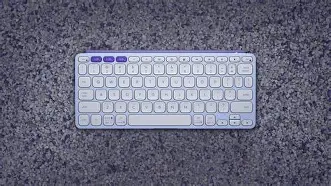
4. Durability and finish
If you keep your keyboard in a bag with loose items, check the material and how easily it attracts lint or scuffs. The Keys To Go 2 looks great but benefits from a sleeve in rougher bags.
5. Noise level and public use
I often work in quiet public places. If that’s you too, prioritize low-noise keys. The Keys To Go 2 is noticeably quieter than many compact options and was a deciding factor for me.
6. Price and value over time
Price matters, but also weigh build quality and expected lifespan. A slightly more expensive keyboard that survives travel and maintains comfortable typing will save you replacement frustration down the line. In my experience the Keys To Go 2 offered good value for a travel-first keyboard.
Who should buy this keyboard?
In my experience the Keys To Go 2 is a great fit for:
- People who type on tablets and phones and need a better experience than on-screen keyboards
- Frequent travelers who need something ultra-light and pocketable
- Anyone who works in public spaces and prefers a quiet keyboard
- Users who prioritize a compact, low-profile design over heavy-duty spill protection
It might not be the best choice if you need mechanical switches, heavy tactile feedback, or extreme spill resistance.
Final thoughts and my personal recommendation
After using the Keys To Go 2 for six months, I can honestly say it has become one of my most-used travel accessories. I was surprised by how well I adapted to the shallow key travel and how often I reached for it instead of propping up a laptop. What I appreciated most was the combination of whisper-quiet typing and near-noticeable weight in my bag — working in a packed cafe felt comfortable and unobtrusive.
What I found less ideal were the small maintenance annoyances: the fabric surface that attracts lint and the occasional pairing hiccup after devices wake from sleep. Those were real, but manageable tradeoffs considering the convenience and comfort I gained. If you’re looking for a keyboard to carry everywhere and want something that’s unobtrusive, quiet, and comfortable for long typing sessions, the Keys To Go 2 is worth serious consideration.
In my experience, its strengths—portability, quiet keystrokes, and reliable battery life—outweigh the tradeoffs for most mobile users. I still reach for my mechanical keyboard at a desk, but when I grab my bag to head out, the Keys To Go 2 goes with me every time.