Which is Better Value? Lg Ultragear 39Gs95Qe B Gaming Monitor vs Lexar Professional Workflow Compared
When assembling a high-performance workstation or gaming setup, enthusiasts often find themselves weighing the benefits of specialized hardware that serves vastly different purposes. On one hand, there is the visual immersion provided by a cutting-edge OLED display, and on the other, the efficiency and data integrity offered by a professional-grade storage and modular workflow solution. The LG UltraGear 39GS95QE-B Gaming Monitor and the Lexar Professional Workflow Series represent the pinnacle of their respective categories. Choosing between them—or deciding which adds more "value" to a specific user's life—requires a deep dive into how these tools transform the user experience from both a creative and a recreational perspective.
Value is often a subjective metric in the technology world. For a competitive gamer, value is measured in milliseconds of response time and the clarity of motion. For a digital nomad or a professional photographer, value is found in the speed at which raw data can be ingested and the reliability of a storage ecosystem. In this analysis, the LG UltraGear 39GS95QE-B is evaluated for its ability to redefine visual standards through its massive 39-inch curved OLED panel, while the Lexar Professional Workflow system is examined as a modular tool designed to eliminate bottlenecks in the data management process. By comparing these two distinct products, users can better understand where their next major investment should be directed.
The LG UltraGear 39GS95QE-B: A Masterclass in Visual Immersion
The LG UltraGear 39GS95QE-B is a powerhouse of a monitor, specifically engineered for those who demand the highest level of performance and aesthetic beauty in their gaming environments. At its core is a 39-inch UltraWide Quad High Definition (WQHD) OLED panel. OLED technology has long been the gold standard for televisions, but its integration into the ultra-wide monitor market has shifted the expectations of desktop users. Unlike traditional LED-backlit LCDs, OLED pixels are self-emissive, meaning they can turn off completely to produce true, infinite blacks. This results in a contrast ratio that is essentially immeasurable, making every scene—from the darkest corridors of a horror game to the vibrant colors of a fantasy landscape—look startlingly realistic.
The 800R curvature of the 39GS95QE-B is one of its most defining physical characteristics. While many monitors opt for a more subtle 1500R or 1800R curve, the 800R is much more aggressive. It is designed to match the natural field of human vision more closely, wrapping the screen around the viewer to create a sense of presence that flat screens cannot emulate. At 39 inches, this curve is necessary to keep the edges of the ultra-wide display within the user's peripheral vision without requiring constant head movement. This ergonomic consideration is a significant part of the monitor's value proposition, reducing neck strain during long sessions.
Speed is the other half of the LG UltraGear equation. With a 240Hz refresh rate and a 0.03ms Gray-to-Gray (GtG) response time, this monitor effectively eliminates motion blur and ghosting. For laptop users who connect to external displays for a "desktop replacement" experience, this level of performance can make even the most powerful high-end gaming laptops feel smoother and more responsive. The inclusion of NVIDIA G-SYNC compatibility and AMD FreeSync Premium Pro ensures that frame tearing is a thing of the past, regardless of the user's GPU choice. This monitor is not just an output device; it is a competitive advantage for those engaged in fast-paced esports or high-fidelity simulation gaming.
Pros and Cons of the LG UltraGear 39GS95QE-B
- Infinite Contrast: The OLED panel provides true blacks and incredible HDR performance that IPS or VA panels cannot reach.
- Extreme Speed: A refresh rate of 240Hz combined with a 0.03ms response time makes it one of the fastest screens on the market.
- Deep Immersion: The 800R curve and 21:9 aspect ratio fill the user's field of view, ideal for racing sims and cinematic RPGs.
- Modern Connectivity: Features HDMI 2.1 and DisplayPort 1.4, supporting high refresh rates at full resolution for both PCs and next-gen consoles.
- OLED Care: LG has implemented various software features to mitigate the risk of permanent image retention or burn-in.
- Potential for Text Fringing: Like many OLED monitors, the subpixel layout can occasionally cause slight color fringing around text, which may bother professional writers or coders.
- Brightness Limitations: While great for HDR peaks, OLEDs generally have lower sustained full-screen brightness compared to Mini-LED displays in very bright rooms.
Lexar Professional Workflow: The Backbone of Creative Efficiency
While the LG monitor focuses on the output, the Lexar Professional Workflow system focuses on the input and management of data. This is a modular solution designed for photographers, videographers, and tech-heavy laptop users who find themselves constantly swapping SD cards, CFexpress cards, and external drives. The core of the system is a multi-bay docking station that allows users to customize their setup with various modules, including card readers and portable SSDs. This modularity is what separates the Lexar Workflow from a standard USB hub or a single-use card reader.
For the modern creative professional, time is the most valuable commodity. Moving 100GB of 4K video or thousands of high-resolution RAW images from a camera to a laptop can often take thirty minutes or more with standard equipment. The Lexar Professional Workflow system utilizes high-speed interfaces like Thunderbolt 4 or USB4, allowing for 40Gbps transfers. This means that a user can theoretically offload multiple cards at their maximum rated speeds simultaneously. If you are a wedding photographer returning home with four 128GB SD cards, the ability to dump all of them at once into your machine saves hours of manual work over the course of a busy season.
The system also includes portable SSD modules that fit directly into the dock. These modules serve two purposes: they can be used as high-speed scratch disks while docked, providing the fast read/write speeds necessary for editing video directly off the drive, and they can be popped out to be used as rugged portable storage in the field. This "dock-to-go" philosophy is a massive value-add for laptop users who often move between a home studio and on-location shoots. It eliminates the need for separate desktop and portable storage solutions, consolidating everything into a single, cohesive ecosystem.
Find top-rated Laptops & Computers products at great prices.
See Deals →
Pros and Cons of the Lexar Professional Workflow
- Modular Customization: Users only buy the modules they need, whether it is CFexpress Type B, SD UHS-II, or microSD readers.
- High-Speed Thru-put: Supports the latest USB and Thunderbolt standards for lightning-fast data transfers that saturate modern SSD speeds.
- Scalability: As your camera gear changes (e.g., moving from SD to CFexpress), you only need to replace a module rather than the whole dock.
- Concurrent Offloading: The ability to read from multiple cards simultaneously is a game-changer for high-volume data workflows.
- Clean Desktop Management: Reduces cable clutter by consolidating several peripheral devices into one powered unit.
- Proprietary Ecosystem: To get the full benefit, you are locked into Lexar's specific module form factor.
- Initial Setup Cost: Purchasing the base station and several modules can be a significant upfront investment compared to standalone readers.
Direct Comparison: Visual Clarity vs. Data Velocity
To truly understand which product offers better value, we must compare them based on how they impact the user's daily life. The LG monitor is a transformative purchase for the experience of computing, while the Lexar Workflow is a transformative purchase for the utility of computing. If you spend eight hours a day staring at a screen, the LG's OLED panel will reduce eye strain through better contrast and provide a more enjoyable visual experience. If you spend eight hours a day moving files and managing storage, the Lexar system will give you back hours of your life by speeding up those mundane tasks.
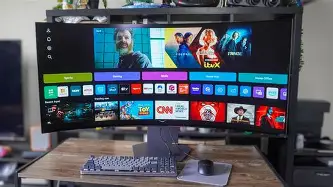
In the context of laptop users, the LG UltraGear 39GS95QE-B acts as the ultimate docking destination. Many modern laptops feature OLED screens, but they are small. Moving from a 14-inch or 16-inch laptop screen to a 39-inch ultra-wide display is a monumental upgrade in productivity real estate. It allows for three full-sized windows to be open side-by-side without overlapping. Conversely, the Lexar Professional Workflow addresses the primary weakness of modern thin-and-light laptops: a lack of ports. By using a single cable to connect the Lexar dock, a laptop user gains access to a professional suite of media ingesting tools and expanded storage, essentially turning a portable machine into a high-end workstation.
Comparison Table: Key Specifications and Target Metrics
| Feature | LG UltraGear 39GS95QE-B | Lexar Professional Workflow |
|---|---|---|
| Primary Function | Visual Output / Gaming / Productivity | Data Ingestion / Storage / File Management |
| Core Technology | OLED (Self-Emissive Pixels) | Modular Hub with USB4 / Thunderbolt 4 |
| Performance Metric | 240Hz / 0.03ms GtG Response | Up to 40Gbps Transfer Speeds |
| Physical Format | 39" Curved Monitor (800R) | Modular Desktop Docking Station |
| Best For | Immersive Gamers & Content Consumers | Photographers & Video Professionals |
| Impact on Workflow | Increases Screen Real Estate / Visual Comfort | Reduces Data Transfer Bottlenecks |
| Space Footprint | Large (Requires significant desk depth) | Small to Medium (Consolidates peripherals) |
Buying Guide: Determining Your Priority
Deciding which of these two high-end products is the better investment for your specific needs requires a focused look at your daily habits. Technology is only as valuable as its utility in your current routine. Below are several scenarios to help guide your decision-making process.
Scenario 1: The Creative Freelancer (Laptops Focus)
If you are a photographer or a color grader, the choice is difficult. A high-quality OLED screen like the LG UltraGear 39GS95QE-B provides excellent color accuracy (DCI-P3 98.5%) and the vast workspace needed for complex timelines in Premiere Pro or DaVinci Resolve. However, if your laptop already has a decent screen and you find yourself frustrated by slow file transfers or a desk covered in various dongles and card readers, the Lexar Professional Workflow is the smarter value play. It optimizes the part of the job that nobody likes—data management—allowing you more time to actually create.
Scenario 2: The Enthusiast Gamer and Media Consumer
For someone who uses their computer primarily for entertainment after a long day at work, the LG UltraGear 39GS95QE-B offers far superior value. There is no workflow tool that can match the sheer joy of seeing Cyberpunk 2077 or Elden Ring on a massive, curved OLED panel. The visual leap from a standard 60Hz or 144Hz IPS display to a 240Hz OLED is one of the few "wow" moments left in modern hardware upgrades. The Lexar system would provide zero extra value in this context unless the user is also frequently managing large game libraries across multiple external drives.
Scenario 3: The Multi-Tasking Office Professional
If your version of "extreme" is having fifty browser tabs, three Excel spreadsheets, and a Zoom call open at the same time, the LG monitor's ultra-wide resolution is a productivity powerhouse. The ability to snap windows into dedicated columns without them being too narrow to read is a massive boost to efficiency. While the Lexar series is "Professional," its features are likely overkill for standard office work. The value of the LG UltraGear here lies in the ergonomics of the curved screen and the sheer amount of information you can process at a glance.
Scenario 4: The Hybrid Remote Worker
If you use a laptop and经常 shift between locations, you might find that the Lexar Professional Workflow offers better value because of its modular SSDs. Being able to work on a project at the office, pop out a drive, and slide it into the dock at home (or use it via a USB-C cable on the train) ensures a seamless transition. While the monitor is amazing, it is stationary. The Lexar system enhances the portable nature of your laptop-centric life while providing a "home base" that organizes your digital assets.
Real-World Use Cases: What Buyers Care About
When reading reviews for the LG UltraGear 39GS95QE-B, the most common feedback from users centers on the 800R curve. Some users find it too aggressive for traditional productivity tasks like drawing straight lines in CAD or Photoshop, as the curve can create a slight visual distortion of perspective. However, for gaming, the feedback is almost universally positive, with users describing the experience as "enveloping." Buyers should also be aware of the "matte vs. glossy" debate. The 39GS95QE-B features an anti-glare coating which is excellent for rooms with windows or overhead lights, though some OLED purists prefer glossy finishes for that extra "pop."
Find top-rated Laptops & Computers products at great prices.
Shop Amazon →In contrast, users of the Lexar Professional Workflow system care deeply about reliability and thermals. Transferring massive amounts of data generates heat, which can lead to thermal throttling—the slowing down of transfer speeds to protect the hardware. Lexar has designed these modules with heat dissipation in mind, a detail that professional buyers value highly. They also care about the future-proofing of the dock. If a new card format emerges in two years, they don't want to buy a new $500 docking station; they want to spend $50 on a new module. This modular philosophy represents a long-term value that is often overlooked in the initial purchase discussion.
Technical Integration with Modern Laptops
Since both products are highly relevant to the "Laptops" category, it is important to discuss how they interface with modern mobile hardware. Most high-end laptops now feature Thunderbolt 4 or USB4 ports. Both the LG monitor and the Lexar dock can take full advantage of these ports, but in different ways.
The LG UltraGear 39GS95QE-B requires a laptop capable of outputting a high-bandwidth signal. To hit 3440 x 1440 at 240Hz, a laptop generally needs a modern dedicated GPU and a port that supports Display Stream Compression (DSC). Users with older laptops might find they are limited to 60Hz or 120Hz at this resolution, which would significantly diminish the value of the monitor. Before purchasing, a laptop user must verify their machine's external display specifications to ensure they aren't "under-driving" such a premium piece of hardware.
The Lexar Workflow system is more forgiving but also more demanding of the internal SSD speeds of the laptop. If you are offloading a CFexpress card at 1500MB/s via the Lexar dock, but your laptop's internal drive or bus is struggling to keep up, you won't see the full benefit. However, the "Bay" system of the Lexar dock essentially turns your laptop into a multi-drive server. For laptops with limited internal storage (like the standard 512GB or 1TB models), having two or three 4TB Lexar SSD modules permanently docked provides a massive expansion that feels as fast as internal storage.
Conclusion
Comparing the LG UltraGear 39GS95QE-B Gaming Monitor to the Lexar Professional Workflow is a classic case of comparing "form" to "function." Both products are leaders in their fields, and both offer excellent value provided they are placed in the right environment. The LG UltraGear 39GS95QE-B is the better value for those who want to maximize their sensory experience. It is a portal into digital worlds that looks better than almost any other screen on the market. It rewards the user every time they turn on their computer with vibrant colors, fluid motion, and a scale that makes productivity feel effortless and gaming feel epic.
On the other side, the Lexar Professional Workflow is the better value for the "digital mechanic." It is for the person whose work life is defined by the flow of data. While it might not have the visual glamour of an OLED screen, it provides a structural stability to a professional workflow that can be the difference between meeting a deadline and failing a client. It is a scalable, future-proof investment that organizes a digital life. Ultimately, if your bottleneck is how you see your work, buy the LG monitor. If your bottleneck is how you do your work and manage your files, the Lexar Professional Workflow is the equipment that will truly pay for itself over time.