The Truth About the Inzone H9 II: Pros, Cons, and Verdict
The landscape of premium gaming peripherals is one of constant iteration and intense competition. When Sony first launched the Inzone brand, it represented a significant strategic shift: a direct attempt to capture the PC gaming market by leveraging the audio expertise and aesthetic language of the PlayStation ecosystem. The original H9 set a high bar, blending the Noise Canceling technology of Sony’s world-class 1000X headphone series with gaming-specific features. Now, with the release of the Inzone H9 II, Sony aims to refine that formula, addressing the feedback of competitive players and audiophiles alike. This article explores whether these second-generation flagship headphones truly represent a meaningful leap forward or if they are simply a modest update in a sea of high-performance alternatives.
Design and Ergonomics: The PlayStation Aesthetic Perfected
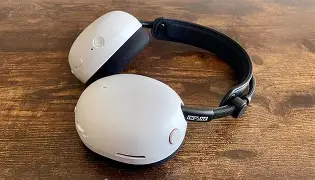
At first glance, the Inzone H9 II maintains the distinct visual identity established by its predecessor. It features a predominantly white, matte plastic chassis with black accents, clearly designed to complement the PlayStation 5 console. However, closer inspection reveals subtle refinements in build quality and ergonomics. The plastic feels denser and less prone to the creaking that some users reported with the first-generation model. This is a critical improvement for gamers who spend hours with their headset on, as mechanical noise from the frame can be distracting during quiet, atmospheric moments in a game.
The headband design has been slightly adjusted to distribute weight more evenly across the crown of the head. Sony has opted for a plush, synthetic leather material that mimics the feel of their high-end consumer headphones. Unlike the fabric mesh found on many competitive headsets, this leatherette provides a superior seal, which is essential for maximizing the effectiveness of the Active Noise Cancellation (ANC). The ear cups themselves are spacious, accommodating a wide variety of ear sizes without causing the dreaded "pinching" effect that can lead to fatigue during marathon sessions.
Control placement remains intuitive. On the left ear cup, users find the volume dial, the noise-canceling/ambient mode button, and the USB-C charging port. The right side houses the power button, Bluetooth pairing button, and a dedicated game/chat balance rocker. This physical separation of concerns is a hallmark of good industrial design, allowing players to make adjustments mid-match purely by feel, without having to navigate cumbersome software menus or look away from the screen.
Audio Performance: Precision Meets Versatility
The core of the Inzone H9 II experience is its 40mm drivers, which have been retuned to provide a more balanced sound signature. In the gaming world, "balanced" can often be code for "boring," but here it means a reduction in the overwhelming "bass bloat" that often plagues cheaper headsets. The low end is tight and punchy, providing the necessary impact for explosions and cinematic scores without masking the crucial mid-range frequencies where footsteps and reload sounds reside.
Sony’s 360 Spatial Sound for Gaming is the standout software feature here. When used in conjunction with the Inzone Hub software on PC, it allows users to create a personalized hearing profile by taking photos of their ears. While this might seem like a gimmick, the result is a more accurate soundstage. In titles like Escape from Tarkov or Call of Duty: Warzone, where verticality and distance cues are matters of life and death, the H9 II excels. The ability to distinguish whether an opponent is on the floor above you or just around a corner is remarkably sharp.
Beyond gaming, the H9 II performs admirably as a media headset. While it won't replace a pair of dedicated audiophile headphones for high-fidelity music listening, its performance on streaming platforms and movies is excellent. The ANC technology, derived from the industry-leading WH-1000XM5, is effective at silencing the hum of air conditioners, PC fans, and distant traffic. This creates a "black background" that allows the nuances of a game's sound design to shine through.
Connectivity and Software Integration
The H9 II is built for a multi-platform world. It features a 2.4GHz wireless connection via a USB-C dongle (with a USB-A adapter included) and simultaneous Bluetooth connectivity. This "dual-stream" capability is a significant quality-of-life feature. It allows a player to be fully immersed in a game on their PC or console while remaining connected to their smartphone. If a call comes in, or if the user wants to listen to a podcast during a low-intensity grinding session in an RPG, they can do so without switching headsets or losing game audio.
Find top-rated Audio & Headphones products at great prices.
See Deals →The Inzone Hub software remains one of the cleaner peripheral management suites on the market. It offers a 10-band equalizer, dynamic range control, and various spatial sound toggles. For PlayStation 5 users, the integration is even more seamless. The console recognizes the headset natively, displaying volume levels, battery status, and mic mute icons directly on the screen's UI. This level of synergy is something only a first-party manufacturer can truly provide, making the H9 II arguably the best "pro" option for PS5 owners.
The Microphone: Clarity in Communication
If there was a significant criticism of the original H9, it was the microphone quality. It was functional but often sounded compressed and nasal. Sony has addressed this in the H9 II with a redesigned boom microphone. It utilizes a bidirectional pickup pattern designed to reject background noise from the room while focusing on the wearer's voice. While it is still a resonant, broadcast-style microphone, the clarity is noticeably improved. Your teammates will hear a more natural representation of your voice, and the "flip-to-mute" mechanism remains one of the most satisfying and reliable ways to manage your audio privacy.
Detailed Feature Comparison
| Feature | Inzone H9 II | Original Inzone H9 | Standard Gaming Headsets |
|---|---|---|---|
| Connectivity | 2.4GHz + Dual Bluetooth | 2.4GHz + Bluetooth | Single Channel (usually) |
| Noise Canceling | Advanced Dual-Sensor ANC | Standard ANC | Passive Only |
| Spatial Audio | 360 Spatial Sound (Personalized) | 360 Spatial Sound | Stereo or Generic Surround |
| Battery Life | Up to 40 Hours (ANC off) | 32 Hours (ANC off) | 20–30 Hours |
| Mic Design | Bidirectional Boom (Enhanced) | Standard Boom | Various |
Pros and Cons
- Pro: Exceptional Spatial Awareness — The 360 Spatial Sound is one of the most effective implementations of virtual surround sound for pinpointing competitive cues.
- Pro: Industry-Leading ANC — Leveraging Sony's consumer audio tech makes this one of the few gaming headsets that actually silences a noisy environment.
- Pro: Dual Connectivity — The ability to mix Bluetooth audio from a phone with low-latency game audio is an essential feature for modern gamers.
- Pro: Premium Comfort — The revised headband and high-quality leatherette ear cups allow for extended use without physical fatigue.
- Pro: First-Party PS5 Integration — The seamless UI integration for PlayStation users provides a console experience that third-party brands cannot match.
- Con: Polarizing Aesthetic — The "Stormtrooper" white-and-black look is striking but may not fit in with more traditional, minimalist PC setups.
- Con: Non-Removable Microphone — Unlike some competitors, the boom mic cannot be detached, which makes it less suitable for use as a pair of outdoor lifestyle headphones.
- Con: Price Point — As a flagship product, it carries a premium price tag that reflects its feature set but may be out of reach for budget-conscious gamers.
- Con: Software Requirement — To get the most out of the audio customization, PC users must rely on the Inzone Hub software, which adds to system bloat.
Buying Guide: Is the Inzone H9 II Right for You?
Choosing a gaming headset involves balancing priorities between audio quality, comfort, and platform compatibility. Here is how to determine if the Inzone H9 II fits your specific needs.
The Competitive PC Gamer
If you primarily play tactical shooters where sound cues are paramount, the H9 II is a strong contender. The software-driven spatial audio personalization actually works, giving you a slight edge in locating enemies. However, you should ensure your PC setup has a free USB-C port (or space for the adapter) and that you are comfortable running the Inzone Hub software at all times.
The Dedicated PlayStation 5 User
This is arguably the "target" demographic. The H9 II is essentially the "DualSense Edge" of headsets. It offers deeper features than the standard Pulse 3D or Pulse Elite headsets, particularly in the noise-canceling department. If you play in a living room with family noise, a television in the background, or an open window, the ANC will be a revelation.
The Multi-Tasker
For players who often find themselves jumping between a Discord call on their phone and a game on their console, or those who like to have music playing in the background while they play, the dual-connectivity feature is the primary reason to choose this model. The internal mixing is handled beautifully, ensuring one source never completely drowns out the other unless you want it to.
Buyers Who Should Look Elsewhere
If you are a "purist" who prefers an open-back soundstage for a more natural audio experience, or if you primarily play in a completely silent room where ANC isn't necessary, you might find better value in dedicated wired audiophile headphones paired with a desktop mic. Additionally, if you dislike the Sony aesthetic or want a microphone that disappears when not in use, the H9 II might feel too bulky for your taste.
Shop the latest Audio & Headphones picks on Amazon.
See Deals →Real-World Use Cases
Consider the gamer living in a small apartment. Between the hum of a refrigerator and the noise of a partner watching TV in the next room, focus is hard to maintain. In this scenario, the H9 II acts as a sanctuary. Engaging the ANC doesn't just lower the volume of the world; it removes the "clutter" from the audio environment, allowing the player to hear the subtle rustle of grass in an open-world RPG like Elden Ring.
In a competitive setting, such as a local LAN tournament or even a high-stakes ranked match at home, the improved microphone is the star. Older headsets tended to pick up the "click-clack" of mechanical keyboards. While the H9 II isn't perfect, its bidirectional rejection is much better at isolating the human voice from the percussive noise of gaming peripherals, leading to clearer communication and fewer "What did you say?" moments in the heat of battle.
The Verdict
The Sony Inzone H9 II is an exercise in refinement. It does not reinvent the wheel, nor does it radically depart from the design language of its predecessor. Instead, it takes a successful foundation and polishes the rough edges. The audio is more balanced, the microphone is significantly more capable, and the comfort levels have been pushed into the top tier of gaming gear.
While the market is crowded with excellent options from established players, Sony brings something unique to the table: a bridge between the world of high-end consumer noise-canceling headphones and the specific, low-latency demands of gaming. It is a premium product that justifies its existence through performance and ecosystem synergy. If you value silence, spatial accuracy, and the ability to stay connected to your digital life across multiple devices simultaneously, the Inzone H9 II stands as one of the most compelling flagship headsets currently available.
Ultimately, the "truth" about the H9 II is that it is a specialist tool that happens to be a great generalist. It excels in the heat of competition, provides unrivaled isolation in noisy environments, and remains comfortable long after your competition has had to take a break. For the serious gamer who wants the best of the Sony audio legacy at their desk, the search may very well end here.