Nano75 2021 First Look: Unboxing and Impressions
Introduction
The Nano75 2021 represents an entry-level offering within the NanoCell family aimed at buyers who want an affordable 4K TV with improved color processing over standard LED sets. This first-look article walks through an unboxing, first impressions, and a practical assessment of how the Nano75 performs in real-world use cases such as streaming, sports, family viewing, and casual gaming. The goal is to provide the information a typical buyer cares about—picture quality, smart features, connectivity, sound, and value—so readers can decide whether the Nano75 fits their needs.
Unboxing and First Impressions
Out of the box, the Nano75 arrives in standard retail packaging with protective foam and plastic wrapping for the panel. Included accessories typically consist of a two-piece or single-piece tabletop stand, a remote control, power cable, quick-start guide, and basic screws for the stand. Regional SKUs may differ in the remote model—some units ship with LG’s motion-based “Magic” remote while others include a more basic infrared handset.
Assembly is straightforward: attach the stand or prepare the TV for wall mounting using the VESA pattern on the rear. The chassis design follows current trends with relatively narrow bezels and a modestly thin profile. The back panel is typically plastic, with a matte finish that resists fingerprints. The overall design is meant to blend into a living room rather than stand out as a statement piece.
Key Specifications and What They Mean for Buyers
While exact specifications can vary by region and screen size, the Nano75 2021 commonly shares these core attributes:
- 4K (3840 x 2160) resolution
- NanoCell color enhancement layer to widen color gamut and reduce impurities
- 60 Hz native refresh rate panel (suitable for movies, TV and casual gaming)
- HDR support for common formats such as HDR10 and HLG
- Smart TV platform (webOS) with popular streaming apps and voice assistant integration
- Multiple HDMI ports and other standard connectivity (USB, Ethernet, optical audio)
For buyers this means reliable upscaling of HD content to 4K, richer color rendering compared with basic LED models, and a smart platform that covers mainstream streaming services. The 60 Hz panel is adequate for most TV viewing scenarios, though competitive gamers or owners of next-gen consoles looking for 120 Hz may prefer higher-tier models.
Picture Quality and Viewing Experience
The NanoCell layer is the TV’s headline feature: it uses a nanoparticle filter to help improve color purity and extend color volume. In everyday viewing—streaming HDR content, watching sports, or viewing family photos—the Nano75 tends to deliver more saturated and convincing colors than lower-tier LED sets, particularly for vibrant scenes.
Brightness levels on the Nano75 are generally sufficient for living rooms with moderate ambient light, though they may not match premium HDR sets with very high peak luminance. HDR content looks improved compared with non-HDR playback, but HDR highlights can appear more restrained compared to high-end OLED and select high-end LED models. Viewers in brightly lit rooms may notice some loss of HDR pop under direct sunlight or large windows.
Contrast and black level performance are typical for the class: blacks are deep enough for most evening TV viewing but not as inky as what an OLED panel offers. Because of its panel design, the Nano75 may favor more consistent viewing angles—useful in wide seating arrangements—while sacrificing some native contrast compared with VA-based competitors. Motion handling on sports and fast-paced content is adequate; judicious use of motion smoothing or frame interpolation can reduce blur for certain viewers, though some prefer to leave these features off for a more natural look.
Shop the latest TVs & Home Theater picks on Amazon.
See Deals →Smart Platform and User Experience
The Nano75 typically runs a contemporary version of webOS—a clean, app-centric smart platform. The home screen provides easy access to major streaming services and highlights content recommendations. For everyday use this translates to quick app launches, a straightforward navigation model, and built-in support for voice assistants for hands-free control.
Feature-conscious buyers will appreciate that the platform supports casting and screen mirroring from mobile devices, and the TV often includes basic home-automation integrations. Power users who rely on niche apps should verify regional app availability before purchase.
Connectivity and Inputs
Connectivity on the Nano75 is pragmatic: multiple HDMI inputs (commonly three or four), at least one USB port, an Ethernet jack, and optical audio output. HDMI ports are suitable for consoles, streaming players, and soundbars. Buyers who need HDMI 2.1 features such as 4K@120Hz, advanced VRR (variable refresh rate), or enhanced eARC should check the specific SKU—these advanced features are more frequently found on higher-end models.
For a typical household setup—cable box, streaming device, a single game console, and a soundbar—the Nano75’s input complement will be sufficient. For more complex home theater rigs, confirm whether the TV’s audio passthrough and HDMI ARC/eARC capabilities match the desired configuration.
Sound Quality
Built-in speakers on the Nano75 deliver clear dialogue and acceptable midrange performance for everyday TV shows and news. As with most slim TVs, the bass response is limited; viewers who care about immersive audio for movies or gaming will want to pair the set with a soundbar or AV receiver. The TV includes digital audio outputs to facilitate such upgrades, and many buyers opt for a compact soundbar for an immediate improvement in audio clarity and low-end impact.
Gaming Performance
For casual gaming the Nano75 performs well: input lag is generally low enough for responsive play on modern consoles and PC games at 60 fps. The 60 Hz native refresh rate limits the frame-rate ceiling to 60 fps for native display, so competitive gamers seeking faster frame rates or technologies like FreeSync/G-Sync may prefer higher-spec models.
When paired with a PlayStation or Xbox for single-player campaigns and sports titles, the Nano75 provides an enjoyable experience. Buyers who prioritize next-gen console features such as 4K@120Hz should verify whether their particular Nano75 SKU supports those modes—many entry-level models do not.
Find top-rated TVs & Home Theater products at great prices.
See Deals →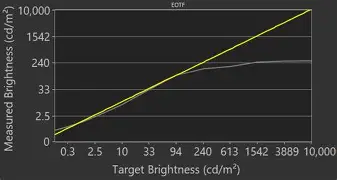
Calibration and Out-of-the-Box Settings
Out of the box, the Nano75 often ships in a vivid, color-boosted mode that appeals to casual buyers in bright rooms. For accurate reproduction—especially for movie nights—switching to Cinema, Expert, or ISF modes and performing simple adjustments (brightness, contrast, color temperature) can deliver more natural skin tones and better shadow detail. Enthusiast buyers can use a calibration disc or a professional calibrator for deeper tuning, but most users will be pleased after a few basic changes.
Pros & Cons
- Pros:
- Improved color reproduction compared with basic LED sets thanks to NanoCell processing
- 4K resolution suitable for modern streaming and media consumption
- Intuitive smart platform with major streaming apps and voice control options
- Reasonable value for buyers seeking a step up from generic budget TVs
- Wide viewing angles make it suitable for family rooms and wider seating arrangements
- Cons:
- Peak HDR brightness is modest compared with premium LED and OLED models
- Built-in speakers lack low-end punch for cinematic audio without a soundbar
- Advanced gaming features (120 Hz, HDMI 2.1, advanced VRR) may be absent on some SKUs
- Design and build materials are functional but not premium
Comparison: Nano75 2021 vs. Nearby Alternatives
| Feature | Nano75 (2021) | Typical Mid-range Nano (e.g., Nano80) | Basic LED (non-Nano) |
|---|---|---|---|
| Color Technology | NanoCell filter for wider color gamut | Enhanced NanoCell + better processing | Standard LED color processing |
| HDR Performance | Good for everyday HDR; moderate peak brightness | Better peak brightness and HDR tone mapping | Limited HDR support or muted highlights |
| Refresh Rate | 60 Hz (typical) | 60–120 Hz depending on model | 60 Hz |
| Smart Platform | Full-featured webOS | webOS with more advanced features | Basic smart platforms or limited app support |
| Price / Value | Attractive value for color-conscious buyers | Higher price but improved performance | Lower price but fewer features |
Real-World Use Cases
To help potential buyers understand how the Nano75 fits into everyday life, here are common scenarios and how the TV performs:
- Family living room: The Nano75’s wide viewing angles and vivid color make it well suited to shared viewing where people are seated at different angles. Its smart platform makes streaming shows and family movie nights easy.
- Sports fans: Colorful team jerseys and fast camera pans look attractive, and motion handling is acceptable for most viewers. For the most competitive sports watchers who prioritize absolute motion clarity, higher-end models with faster refresh or advanced motion processing may be preferable.
- Casual gamers: Low input lag at 60Hz provides a responsive experience for most console and casual PC gaming. It’s ideal for single-player adventures, sports games, and family-friendly titles.
- Secondary TV / bedroom: The Nano75 offers a compelling upgrade when replacing a smaller or older HDTV thanks to its 4K resolution and smarter streaming interface.
- Home theater enthusiasts: While the Nano75 is a solid mainstream choice, those prioritizing the deepest blacks, infinite contrast, and reference-level HDR should consider OLED or higher-end LED alternatives.
Buying Guide: What to Check Before Purchase
When evaluating the Nano75 or similar TVs, buyers should confirm several practical details to make an informed choice:
- Exact SKU features: Verify the specific model number for region-specific features—especially for HDMI capabilities, HDR support, and what remote is included.
- Room lighting: If the set will be placed in a very bright room, look for higher peak brightness in reviews or consider anti-reflective coatings and seating arrangements to minimize glare.
- Viewing distance and screen size: Calculate optimal viewing distance for 4K; larger sizes improve immersion but require more space. As a rule of thumb, 1 to 1.5 times the screen height gives good perceived detail for 4K.
- Sound plan: If immersive audio matters, budget for a soundbar or home audio upgrade—this will have one of the largest perceived improvements in experience.
- Gaming needs: Confirm whether the model supports the refresh rate and HDMI features desired for consoles or PCs. For serious competitive play, look for TVs with documented low input lag and higher refresh rates.
- Smart app availability: Ensure the streaming services and apps used most often are available on the TV’s platform in your region.
- Connectivity layout: Check how many HDMI ports are available and their placement—side-facing vs rear-facing ports affect cable routing behind wall mounts or media consoles.
- Warranty and support: Review the manufacturer’s warranty and local support options, and check if extended protection plans are available if desired.
Practical Tips After Buying
To maximize the Nano75 experience after purchase, consider the following steps:
- Run through basic picture mode changes: switch from Vivid/Standard to Cinema or Expert for more accurate color.
- Disable unnecessary motion processing if it makes content look artificial, or enable it sparingly for sports.
- Use a streaming stick or game console HDMI input directly if preferred; label inputs in the TV settings to avoid confusion.
- Pair with a soundbar and center it below the TV to improve dialogue clarity and cinematic impact without major room changes.
- Update firmware regularly through the settings menu to ensure app compatibility and performance improvements.
Conclusion
The Nano75 2021 is a pragmatic, color-minded step up from basic LED sets, delivering solid 4K picture quality, an intuitive smart platform, and wide viewing angles that suit many living-room arrangements. It is a compelling option for buyers who want better color and a modern streaming experience without stepping up to premium OLED or top-tier LED models. As with any purchase in this class, the best fit depends on individual priorities—HDR peak brightness, advanced gaming features, or audiophile-level sound may require spending more. For families, casual gamers, and streaming-first households seeking an affordable yet capable 4K TV, the Nano75 is worth considering after checking the exact SKU features and ensuring the set matches the room and usage patterns.