A Professional's Take on the New Adizero Takumi Sen 11 Running Shoe
Introduction
The Adizero Takumi Sen 11 arrives with expectations: a lightweight, race-ready silhouette that promises speed without sacrificing enough comfort to be usable beyond the finish line. For runners who prioritize performance — from competitive club athletes to serious age-groupers chasing personal bests — the Takumi Sen series has long been a reference point in the mix of everyday trainers and specialized race shoes. This article examines the Takumi Sen 11 from a professional perspective, focusing on real-world use cases, what buyers typically care about, and how the shoe behaves across workouts and race environments.
What the Takumi Sen 11 Aims to Be
At its core, the Takumi Sen 11 targets the runner who needs a decisive, fast-feeling shoe for tempo runs, short-to-middle distance races (5K–half marathon), and high-intensity intervals. It is designed to be featherlight and responsive, enabling efficient turnover and minimal energy loss. The profile suggests a shoe that favors forward motion, quick transitions, and a close connection to the road — attributes valued by runners racing for time or training at race pace.
Detailed Product Review and Analysis
Upper and Fit
The Takumi Sen 11 continues the line’s emphasis on a snug, performance-oriented fit. The upper generally uses an engineered mesh or knit that balances breathability with enough structure to hold the midfoot during surges. Runners will notice a relatively narrow last compared with some neutral trainers; this provides security during fast efforts but can feel constricting to those with wide forefeet. The heel cup is low to moderate in volume and aims to reduce heel lift during toe-off.
In practical terms, the Takumi Sen 11 suits runners who appreciate a locked-in feel. For someone doing repeated 400–1600m repeats, the shoe minimizes internal movement and reduces friction hotspots. However, buyers with bunions, broader metatarsal widths, or those who prefer roomy toe boxes should try the shoe on and, if possible, test at least a short run before committing.
Midsole and Ride
The midsole is where the Takumi Sen 11 defines itself. It delivers a responsive ride with a clear focus on propulsion and energy return. The cushioning feels firm enough to provide feedback from the ground while still damping impact during sustained efforts. The ride encourages a midfoot-to-forefoot strike pattern and rewards forward-leaning, aggressive running form.
For real-world usage, this translates into a shoe that excels during tempo efforts, race-pace long runs, and sharp intervals. Long, slow recovery runs may feel slightly uncompromising due to the firmer cushioning and lower overall stack, but many runners use the Takumi Sen as a part of a rotation — pairing it with a more cushioned trainer for high-volume weeks.
Plate and Propulsion
Like many performance road shoes, the Takumi Sen 11 emphasizes propulsion. Runners will notice a sense of forward roll through toe-off, which helps maintain cadence when fatigue sets in. The degree of stiffness and the geometry of the sole combine to create a quick, snappy response that benefits short surges and finishing kicks.
This propulsion suits race tactics: a mid-race surge, a sharp kick over the final kilometer, or a string of fast repeats in track workouts. It is less about long, plush comfort and more about delivering efficient energy transfer during high-intensity efforts.
Outsole and Traction
The outsole provides adequate grip for dry road surfaces and typical running conditions. Tread and rubber placement prioritize durability in high-wear zones while keeping weight low. For wet or technical surfaces, runners should temper expectations — the shoe performs well on typical wet pavements but is not intended for trail use or extended runs through heavy rain-soaked streets.
Club athletes who race on closed city courses or train on paved loops will find the traction reliable. Those who face mixed surfaces regularly should consider a more versatile option or reserve the Takumi Sen 11 for the fastest sessions.
Find top-rated Electronics products at great prices.
Browse Now →Durability and Lifespan
With its race-oriented materials and lighter rubber, the Takumi Sen 11 prioritizes performance over long-term mileage. Runners should expect shorter lifespan compared to heavier daily trainers. Typical use cases — race day and speed sessions complemented by a higher-mileage trainer — will extend the shoe’s effective life. Mileage estimates vary by runner weight, gait, and terrain, but a prudent approach treats the Takumi Sen 11 as a speed-specific shoe rather than a daily workhorse.
Noise, Feel, and Aesthetics
The shoe's low-profile stack and responsive foam mean ground feel is prominent; some runners describe this as “connected” or “lively.” The noise of footstrike is minimal, and the aesthetic design often reflects a performance-first approach: streamlined, modern, and built to signal speed. Colorways and styling are secondary to functional considerations for most buyers, but for race-day psychology, a clean, fast-looking shoe can contribute to athlete confidence.
Pros & Cons
- Pros:
- Lightweight and highly responsive — ideal for race pace and tempo workouts
- Secure, race-oriented fit that minimizes internal slip during surges
- Efficient propulsion and quick transition from midfoot to toe-off
- Sleek design suitable for competitive environments and fast training
- Cons:
- Relatively narrow last — may be uncomfortable for wide-footed runners
- Firm cushioning less forgiving on long slow runs and recovery days
- Shorter expected lifespan compared with daily trainers
- Not ideal for wet, technical, or off-road surfaces
Quick Comparison: Takumi Sen 11 vs. Similar Performance Shoes
| Model | Primary Use | Cushioning Level | Responsiveness | Fit | Durability (relative) |
|---|---|---|---|---|---|
| Adizero Takumi Sen 11 | Short to mid-distance races; tempo work | Low to medium | High | Narrow, secure | Moderate (race-focused) |
| Previous Takumi Sen (e.g., 10) | Similar — race and speed sessions | Low to medium | High | Slightly narrower or similar | Moderate |
| Other lightweight racers | Varies — from 5K to marathon specialization | Varies (low to medium-high) | Varies | Varies (narrow to roomy) | Varies |
Real-World Use Cases
Understanding how the Takumi Sen 11 functions in everyday training and racing clarifies whether it belongs in a runner’s rotation.
Interval Sessions and Track Work
The shoe shines on intervals. Short repeats at or faster than race pace benefit from the Takumi Sen 11’s quick response and secure fit. Runners report confident toe-offs and consistent turnover during ladder workouts or mile repeats.
Tempo Runs and Race Pace Long Runs
For tempo efforts and race-pace long runs, the shoe’s combination of responsiveness and moderate cushioning allows athletes to maintain pace with reduced fatigue from sluggish cushioning. The trade-off is comfort — at longer durations many runners prefer alternating with a softer trainer.
5K–10K Races and Club Time Trials
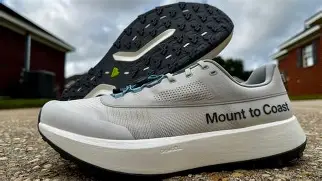
In races under an hour, the Takumi Sen 11 offers competitive advantages: reduced weight, efficient propulsion, and a connected feel. It supports aggressive starts and late-race surges. For runners targeting PRs in these distances, it’s an attractive choice.
Half Marathon and Marathon Considerations
While the Takumi Sen 11 can be used for half marathons by runners who prefer less cushioning, most marathoners will prefer a higher-stack, more cushioned race shoe for extended comfort and reduced risk of late-race discomfort. The Takumi Sen 11 may serve well as a tempo/race-pace trainer within marathon preparations but is less likely to be a primary race shoe for the full marathon.
What Buyers Typically Care About — Addressed
Shoppers evaluating the Takumi Sen 11 often focus on the following points; here’s how the shoe stacks up:
- Fit and comfort: A tight, performance-oriented fit is a hallmark. Try before committing if foot width is a concern.
- Weight and responsiveness: Lightweight construction and a snappy ride favor speed-focused training and short races.
- Durability and value: Designed as a race shoe, it offers high performance at the cost of shorter lifetime mileage; balance expectations with training needs.
- Versatility: Excellent for speed work and shorter races, less ideal as a daily trainer or in wet/technical conditions.
- Price relative to use: Buyers should weigh frequency of race days and need for speed-specific footwear; the Takumi Sen 11 is a specialist tool, not a generalist option.
Buying Guide: How to Decide if the Takumi Sen 11 Is Right
1. Define the Primary Purpose
Decide whether the shoe will be used mainly for races, speed sessions, or daily training. If the aim is consistent race performance and frequent interval work, the Takumi Sen 11 is well-suited. If the priority is daily mileage and recovery runs, a more cushioned trainer should be paired alongside or preferred.
Find top-rated Electronics products at great prices.
View Offers →2. Consider Foot Shape and Fit
Those with medium to narrow feet or those who prefer a snug racing fit will find the Takumi Sen 11 comfortable. Runners with wide forefeet or those who require extra volume around the toes should try alternate sizes or wider models; fit is often the deciding factor rather than performance specs.
3. Evaluate Training Load
If the athlete logs high weekly mileage, the Takumi Sen 11 is best used selectively — for key workouts and races. Rotating with a durable trainer preserves the Takumi’s performance characteristics and prevents premature outsole and midsole degradation.
4. Match the Shoe to Race Distance
For 5K and 10K races, the Takumi Sen 11 provides an excellent balance of weight and responsiveness. For half marathons it remains viable depending on runner preference. For full marathons, most will prefer a shoe with greater cushioning and energy return over extended distance.
5. Test Runs and Return Policies
Because fit and feel are subjective, testing a short run (tempo or intervals) in the shoe is recommended. Pay attention to any hotspots, heel slippage, or toe compression during sprints. If buying online, ensure the retailer’s return policy allows for testing on pavement so the shoe can be assessed in motion.
6. Care and Maintenance Tips
- Rotate the Takumi Sen 11 with a cushioned trainer to extend its serviceable life.
- Dry naturally after wet runs; avoid heat sources that degrade foam.
- Inspect high-wear zones on the outsole and midsole; replace when cushioning or traction notably declines to protect joints and maintain race performance.
Who Should Consider the Takumi Sen 11?
The ideal candidate is a runner who values speed, precision, and a closely tuned race experience. Club runners targeting PRs at shorter distances, athletes who value lightweight race-day gear, and competitive amateurs who balance interval training with races will appreciate the Takumi Sen 11’s strengths. Conversely, recreational runners who prioritize everyday comfort, or those who require broader fits and extra cushioning for injury prevention, may find the shoe too specialized.
Final Thoughts and Conclusion
The Adizero Takumi Sen 11 is a focused, performance-driven road shoe that rewards an aggressive running style and purposeful use. It brings responsiveness, a secure fit, and race-minded geometry to athletes seeking to shave seconds off their times in shorter road races and to sharpen speed work. Its compromises — firmer cushioning, narrower fit, and a service life typical of race shoes — are inherent in the design choices that prioritize speed.
For those building a sensible shoe rotation, the Takumi Sen 11 makes an excellent speed and race-day option. It performs best when paired with a more cushioned, durable trainer for base miles and recovery runs. By matching the Takumi Sen 11 to the right workouts and race distances, runners can maximize its advantages while mitigating its limitations.
In summary, the Takumi Sen 11 is not a one-size-fits-all shoe, nor is it trying to be. It is a specialist tool for specific tasks: fast workouts, decisive race days, and moments when efficiency and responsiveness matter most. Runners who align their needs with those strengths will find it a valuable addition to their arsenal.